
Freed from desire
- Jun 23
- 4 min read
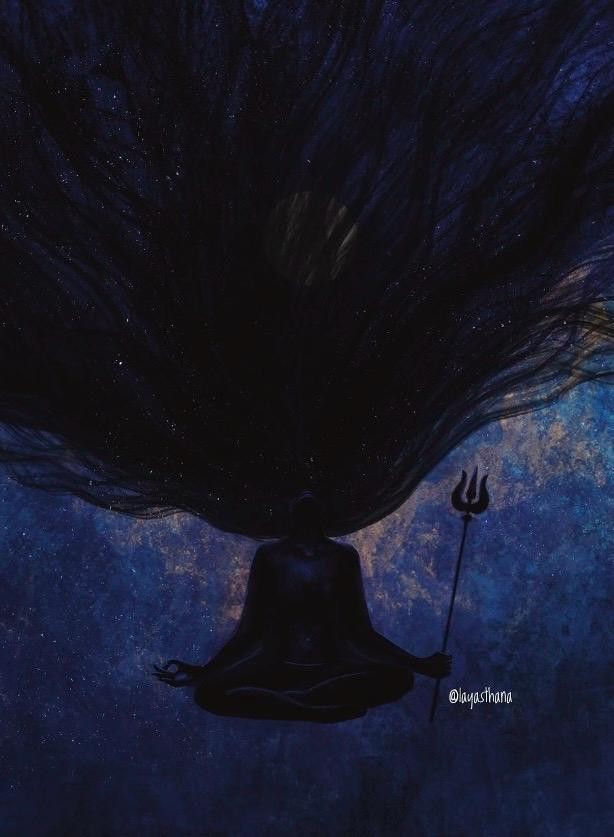
“True freedom is to be free from the desire to be free from anything.”- Adyashanti, American spiritual leader.
When most people hear the phrase freed from desire, they imagine a spiritual ideal. A monk sitting peacefully under a tree. A wise person who wants nothing and therefore suffers less. But trauma teaches us something important. It teaches us that many of our desires are not really desires at all. They are survival strategies. For example-
A person who grew up feeling unseen may desperately desire recognition.
A person who grew up feeling abandoned may desperately desire love.
A person who grew up feeling powerless may desperately desire success, status, or control.
On the surface, these look like ordinary human wants. Yet beneath them is often something deeper. The nervous system is not chasing pleasure. It is trying to repair an old wound. This is why getting what we want does not always bring peace. The promotion arrives. The relationship arrives. The money arrives. So does the achievement. And yet something inside remains restless. Because the desire was never about the thing itself. It was about the pain underneath.
Trauma creates hunger. And trauma also leaves unfinished business in the body. The nervous system carries memories not only as thoughts but as sensations, emotions, impulses, and expectations.
A child who felt emotionally neglected may grow into an adult who constantly seeks validation.
A child who experienced unpredictability may become an adult obsessed with certainty.
A child who felt powerless may become an adult who cannot stop striving.
These desires can become so familiar that we mistake them for our personality.
And we say-
“I am ambitious.”
“I am needy.”
“I am driven.”
“I am a perfectionist.”
Sometimes these traits are genuine. Sometimes they are simply adaptive responses to old pain. Because the nervous system believes that if it can finally obtain enough love, enough success, enough approval, then the old wound will disappear. But wounds do not heal through acquisition. They heal through integration.
Our desires are messengers. And they are also information. The question is-What is this desire trying to solve?
Imagine a person who constantly longs for romantic relationships. At first glance the desire seems obvious. They want love. But if we look deeper, we may discover that what they truly seek is safety. Or belonging. Or the feeling of being chosen. The relationship is simply the vehicle. The deeper need is the destination. And trauma healing often involves learning to distinguish between the two.
One of the most surprising aspects of healing is that our desires begin to change. Things that once felt essential lose their grip.
The need to impress others softens.
The need to win every argument fades.
The need to prove ourselves becomes less urgent.
This does not happen because we become passive. It happens because the nervous system is no longer trying to survive through those pursuits. Healing also hence creates choice. Before healing, desire often feels compulsive. After healing, desire becomes creative.
Before healing a person may feel- “I need this.”
After healing- “I would enjoy this.”
The difference is enormous. One comes from fear. The other comes from freedom. And the body always knows the difference. A trauma driven desire often feels urgent. There is tension. Pressure and anxiety. A sense that something terrible will happen if we do not get what we want. The body contracts around the goal. But a healthy desire feels different. There is movement without desperation. Energy without panic. Commitment without obsession. The body remains connected to itself regardless of the outcome. This is why somatic healing is so powerful. It helps to recognize the difference between desire arising from life and desire arising from survival.
Being freed from desire does not mean becoming detached from life. It does not mean giving up dreams. It does not mean suppressing ambition. It means becoming free from the compulsive pursuit of things we believe will finally make us whole. The deepest freedom is not getting everything we want. The deepest freedom is discovering that our worth was never dependent on obtaining it.
Trauma whispers-
“When you get this, then you will be safe.”
Healing whispers-
“You are safe enough to be here now.” And from that place, desire stops being a desperate search for completion. It becomes a celebration of a life that is already whole.
My love has got no money, he's got his strong beliefs
My love has got no power, he's got his strong beliefs
My love has got no fame, he's got his strong beliefs
My love has got no money, he's got his strong beliefs
Want more and more, people just want more and more
Freedom and love, what he's looking for
Want more and more, people just want more and more
Freedom and love, what he's looking for
Freed from desire, mind and senses purified
Freed from desire.
“Freed from desire”- song by Gala released in 2002.


